

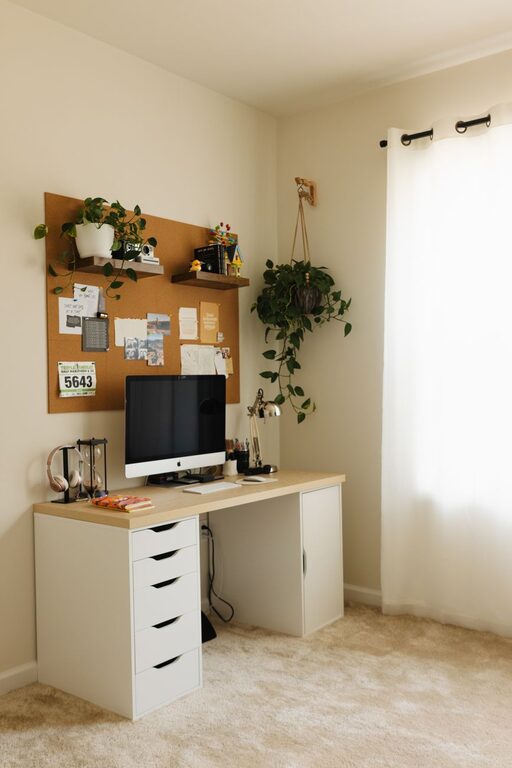
Creating a home workspace that feels both cozy and functional can greatly enhance your productivity and overall well-being. Whether you work remotely, study, or handle personal projects, having a dedicated spot that is comfortable and organized helps you focus and enjoy your tasks. Here are practical tips to design a home workspace that meets your needs and reflects your style.
Choose the Right Location
Finding the best spot for your workspace is the first step toward creating a productive and cozy environment.
– Natural Light: If possible, set up near a window to benefit from natural light, which boosts mood and reduces eye strain.
– Quiet Areas: Pick a quieter corner away from household noise to minimize distractions.
– Space Considerations: Ensure there is enough room for your desk, chair, and any storage you require without feeling cramped.
Select Comfortable and Supportive Furniture
Your workspace furniture plays a big role in both comfort and function.
– Ergonomic Chair: Invest in a chair that supports your back and allows you to sit comfortably for long periods.
– Desk Size: Choose a desk that fits your equipment and provides room for writing or other tasks.
– Adjustable Options: Consider height-adjustable desks or chairs to customize your setup and alternate between sitting and standing.
Organize Efficiently
Keeping your workspace tidy enhances focus and reduces stress.
– Storage Solutions: Use shelves, drawers, or storage bins to keep supplies and documents organized.
– Desk Accessories: Desk organizers for pens, papers, and gadgets help prevent clutter.
– Cable Management: Use clips or ties to keep cords orderly and out of the way.
Add Cozy Touches
Small touches can make your workspace feel inviting and less sterile.
– Soft Textiles: Include a comfortable rug, a cushion, or a throw to add warmth and texture.
– Plants: Incorporate greenery to bring life to the area and improve air quality.
– Personal Items: Display a few meaningful photos or artwork to make the space uniquely yours.
Optimize Lighting
Proper lighting is essential to reduce eye strain and create ambiance.
– Task Lighting: Use a desk lamp with adjustable brightness for focused work.
– Ambient Lighting: Complement with soft overhead lights or floor lamps for a balanced look.
– Avoid Glare: Position screens and lights to prevent reflections.
Manage Noise and Distractions
Maintaining focus is easier when noise and interruptions are controlled.
– Noise-Canceling Tools: Consider noise-canceling headphones or white noise machines.
– Signage: If you share your home, use a sign or signal to let others know you’re working.
– Scheduled Breaks: Plan regular breaks to reset and avoid burnout.
Personalize with Colors and Decor
Colors and decor style can influence your mood and productivity.
– Color Psychology: Choose calming colors like blues or greens for relaxation, or energetic tones like yellow for creativity.
– Minimalist Design: Keep decor simple to avoid overwhelming your workspace.
– Inspiration Board: Create a corkboard or magnetic board for ideas, goals, and motivation.
Maintain Cleanliness Regularly
A clean workspace promotes mental clarity and efficiency.
– Daily Tidy-Up: Spend a few minutes each day putting things away.
– Weekly Cleaning: Dust surfaces and vacuum floors routinely.
– Declutter Periodically: Remove unnecessary items to keep the space streamlined.
Incorporate Technology Thoughtfully
Use technology to enhance, not clutter, your workspace.
– Efficient Setup: Ensure that your computer, printer, and accessories are arranged for easy access.
– Wireless Options: Wireless devices reduce cable clutter.
– Backup Plans: Use cloud storage and backups to keep your work safe.
—
By thoughtfully combining these tips, your home workspace can become a cozy retreat that supports your professional and creative efforts. Remember, the key is to design a space that feels comfortable, organized, and inspiring, so you look forward to spending time there every day.