

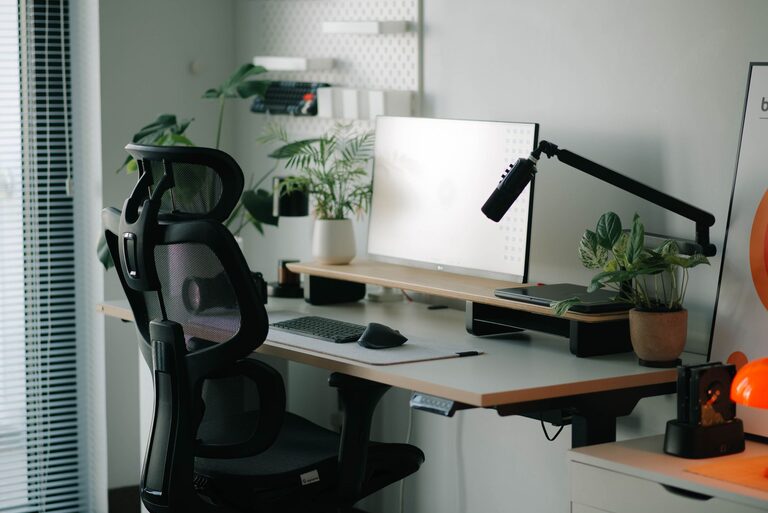
Creating a relaxing home office environment is essential for maintaining focus, reducing stress, and boosting overall productivity. Whether you work remotely full-time or occasionally need a dedicated space for tasks, your home office should feel welcoming and calming. Below are practical tips to help you design and organize a workspace where you can work comfortably and efficiently.
Choose the Right Location
Find a Quiet Spot
Select a part of your home that is quiet and has minimal distractions. This could be a spare room, a corner of the living room, or an area near a window with a nice view. Avoid high-traffic zones where noise and interruptions are common.
Consider Natural Light
Natural light can improve mood and energy levels, so position your desk near a window if possible. If natural light is limited, invest in good quality lighting that mimics daylight to reduce eye strain.
Invest in Comfortable Furniture
Ergonomic Chair
A comfortable chair with good lumbar support is crucial to maintain correct posture and prevent back pain. Look for adjustable chairs that allow you to customize height and armrests.
Desk Space
Choose a desk that fits your space and needs. It should be large enough for your computer, notes, and other work essentials, but not so big that it feels cluttered.
Organize for Efficiency
Declutter Regularly
Keep only necessary items on your desk to maintain a clear workspace. Regularly clean and organize to prevent clutter build-up, which can cause stress.
Use Storage Solutions
Incorporate shelves, drawers, or organizers to store office supplies, documents, and personal items. Labeling storage compartments helps to quickly find what you need.
Incorporate Calming Elements
Add Plants
Indoor plants can brighten the space and help purify the air. Choose low-maintenance varieties like succulents or snake plants that thrive indoors.
Use Soft Colors
Select calming paint colors or décor in soft blues, greens, or neutrals to create a serene atmosphere. Avoid overly bright or harsh colors that might distract or overstimulate.
Control Noise and Distractions
Soundproofing
If noise is an issue, consider soundproofing options such as heavy curtains, rugs, or acoustic panels. White noise machines or background music can also help mask distracting sounds.
Set Boundaries
Communicate your work hours to household members and use visual cues like a closed door or “do not disturb” sign to minimize interruptions.
Personalize Your Space
Meaningful Décor
Add personal touches like family photos, artwork, or inspirational quotes. These elements can boost your mood and motivation.
Comfort Items
Include a cozy throw blanket, scented candles, or a small diffuser with your favorite essential oils to enhance relaxation.
Maintain Good Air Quality
Ventilation
Ensure proper airflow by opening windows when possible or using an air purifier. Good air quality helps you stay alert and comfortable.
Temperature Control
Keep the room at a comfortable temperature with fans, heaters, or air conditioning as needed.
Establish Healthy Work Habits
Take Regular Breaks
Step away from your workspace periodically to stretch, hydrate, and rest your eyes. This improves mental clarity and reduces physical strain.
Keep Hydrated and Nourished
Keep water and healthy snacks nearby so you don’t have to leave your desk frequently, supporting your focus throughout the day.
Final Thoughts
Designing a relaxing home office environment isn’t just about aesthetics — it’s about creating a space that supports your well-being and work efficiency. By choosing the right location, furnishing it comfortably, organizing thoughtfully, and adding calming personal touches, you can build a workspace that feels inviting and productive. Make your home office a place where you enjoy spending time, and you’ll likely see improvements in both your mood and work output.